The construction sector plays a major role in the energy transition: it is one of the leading contributors to global energy consumption and greenhouse gas emissions. Heating, cooling, ventilation and lighting — these factors alone account for a significant proportion of final energy consumption. Whilst technical systems, smart control and changing patterns of use are important drivers, building materials are a key structural and sustainable factor in a building’s energy performance.
Through their physical, chemical and mechanical properties, materials have a direct influence on heat flow, air exchange and the thermal inertia of buildings, thereby determining the sustainability of energy savings throughout the entire life cycle of the structures. The circular economy is now emerging as a key driver of transformation in the sector, spurred in particular by the European Green Deal: reducing the extraction of virgin resources, promoting reuse and recycling, and stimulating low-carbon innovation. The transition now underway is no longer limited to energy efficiency during use; it also raises questions about the design, production and end-of-life of materials.
The role of materials in a building’s energy performance
A building’s energy consumption depends largely on the performance of its envelope, which acts as the interface between the indoor environment and outdoor weather conditions. The materials used in walls, roofs, floors, joinery and insulation systems determine heat transfer by conduction, convection and radiation, as well as air exchange and moisture management. An efficient building envelope reduces heat loss in winter, limits overheating in summer and ensures a stable indoor climate, thereby reducing the need for energy-intensive equipment1.
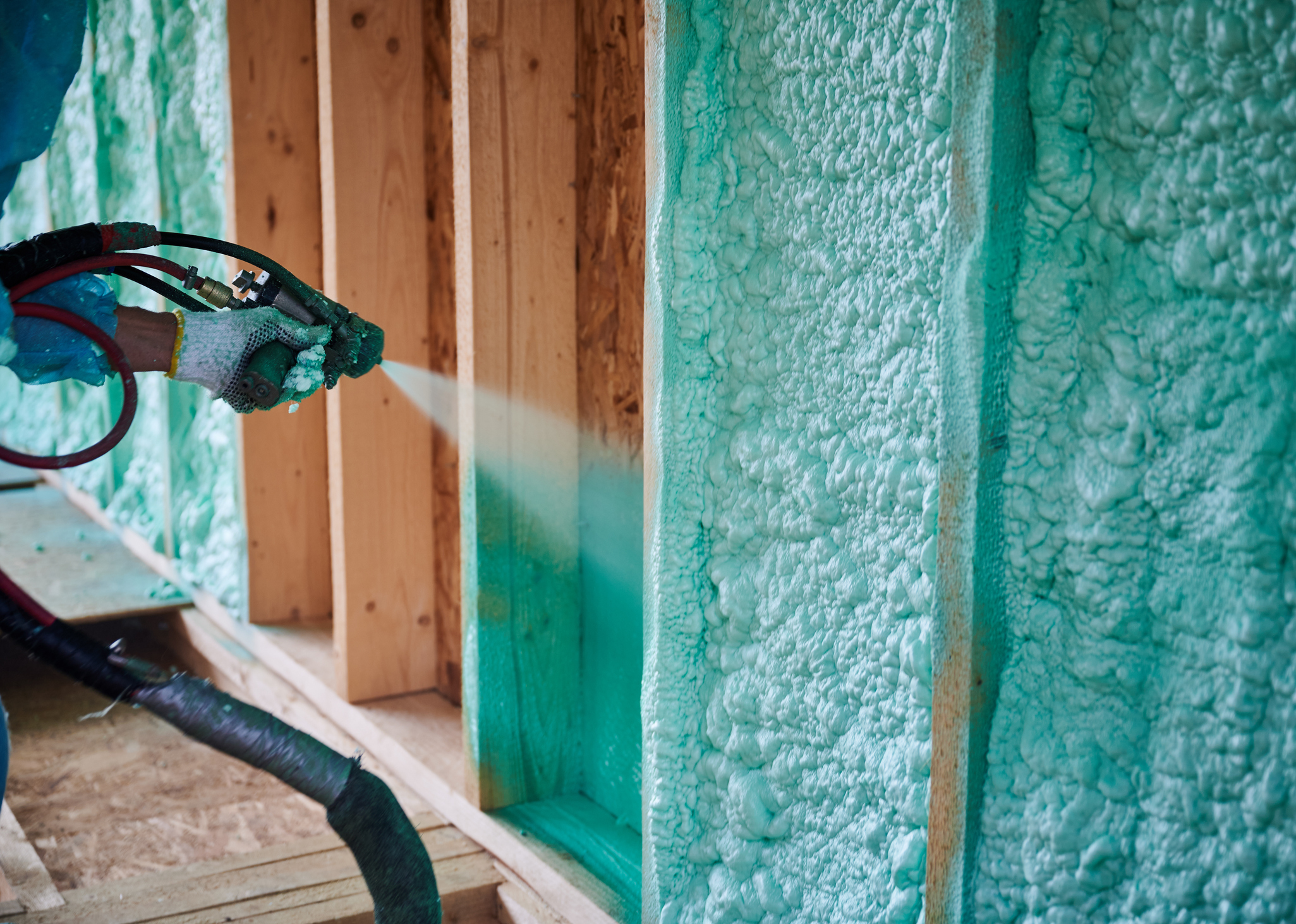
Insulation materials play a key role in this regard. Their low thermal conductivity, combined with careful installation to minimise thermal bridges, significantly improves the energy performance of buildings, whether new or renovated. However, their actual effectiveness is not limited to their intrinsic properties: it also depends on their durability, their resistance to mechanical and hygrothermal stresses, and their compliance with increasingly stringent regulatory, environmental and health requirements.
Pour vous abonner, rendez-vous sur le site de votre association partenaire ou cliquer ici.
La Revue des Mines est produite grâce au temps de ses bénévoles et à ses contributeurs. Pour nous rejoindre, écrivez-nous !
Contribuer